

The History of Keenan Winery
How old is Keenan Winery? The estate's winemaking history begins in the late 19th century with pioneer Peter Conradi; the stone winery was built in 1904. Robert Keenan purchased 180 acres of the property in 1974 and celebrated the revived winery's first harvest in 1977. The estate today spans 236 acres, 58 of them planted, expanded by an adjoining parcel in 2022.
History & Chronicle
- Late 1800s – Relatives of the Keenan family migrate to Northern California.
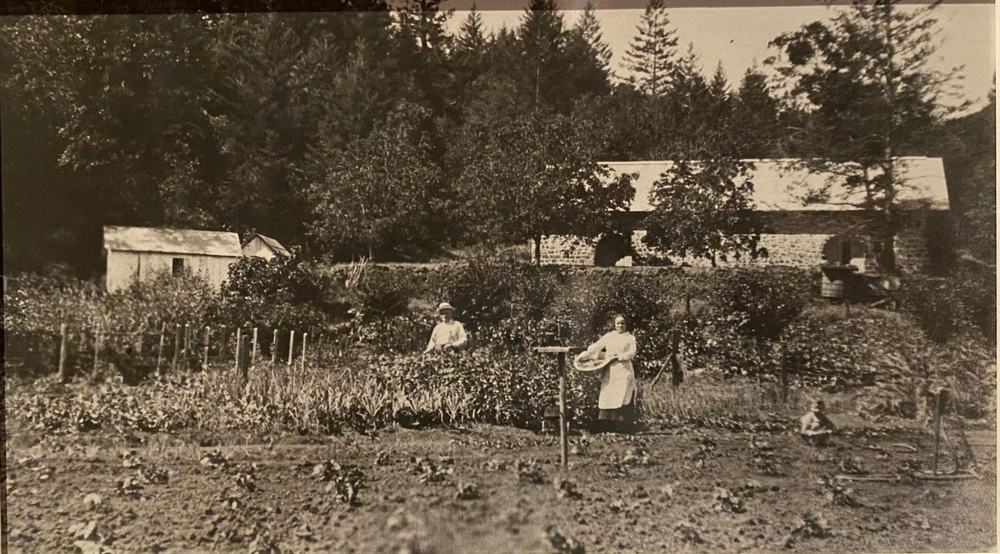
- – The Conradi family, the estate’s original owners, build the stone winery on Spring Mountain.
- – The Conradi family sells the estate. The reason was never settled: Prohibition, Pierce’s disease, or, as the next owners’ sons recalled hearing, that the Conradis “got tired of battling the deer.”
- – Robert Keenan purchases 180 acres on Spring Mountain and replants the estate to Bordeaux varietals and a small amount of Chardonnay, aiming for wines of Grand Cru pedigree.
- – Keenan Winery’s first harvest and vintage.
- – The New York Times reports a New York blind tasting of three vintages of Keenan Merlot against Château Petrus, setting the tone for Keenan’s distinctive Merlots. “Wine Talk,” September 20, 1989
- – Spring Mountain District is designated an American Viticultural Area (AVA).
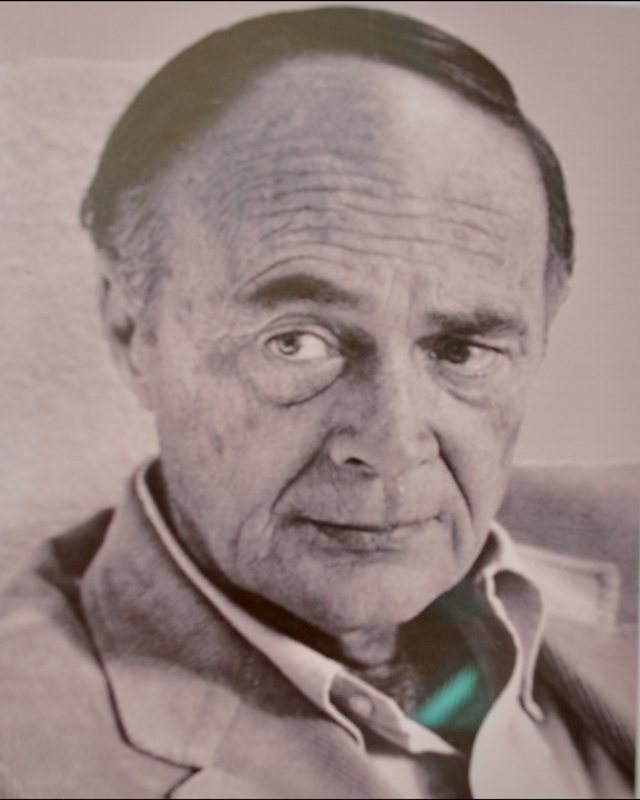
- – Robert Keenan retires, and Michael Keenan takes over leadership of the estate.
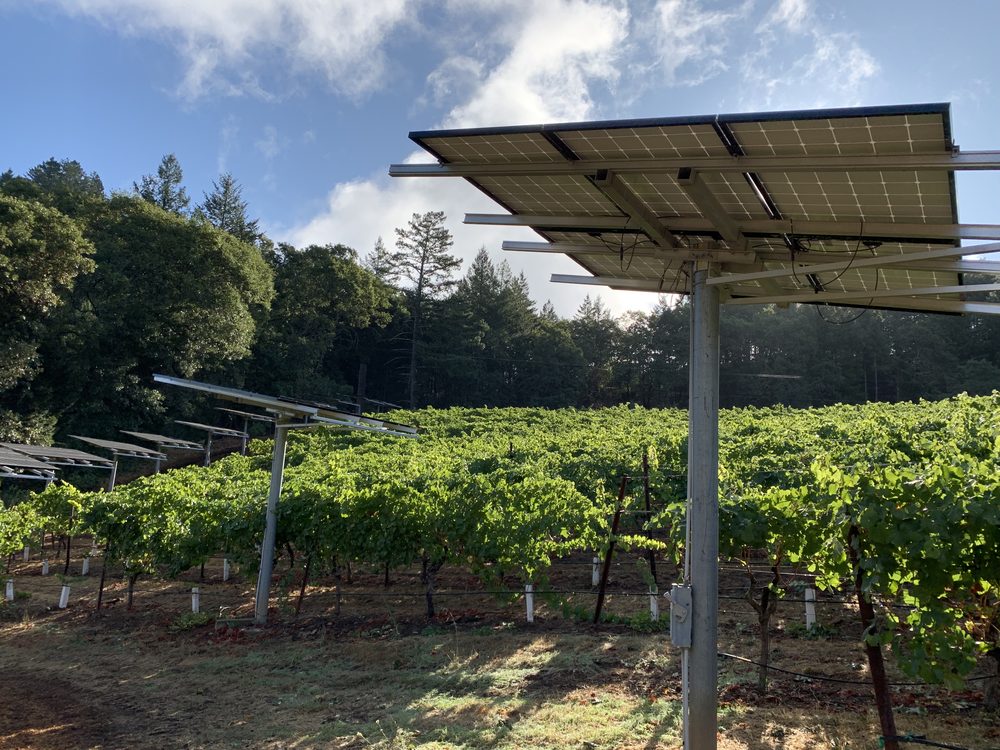
- – The winery’s solar power system goes online, offsetting the majority of its electrical usage.
- – Napa Green cert.
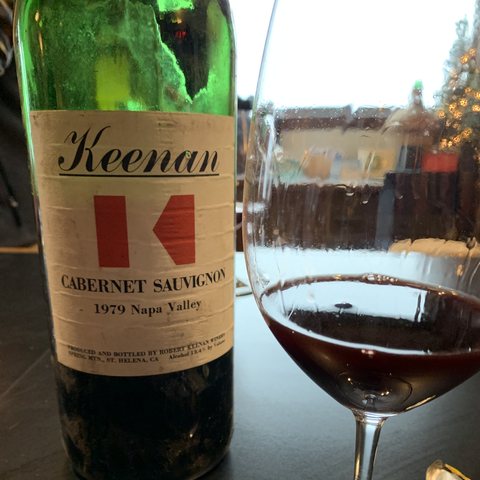
- – A high point in more than a decade of Wine Advocate recognition: “they are among my favorite wines in Napa Valley” — Robert Parker Jr., October 30, 2014.
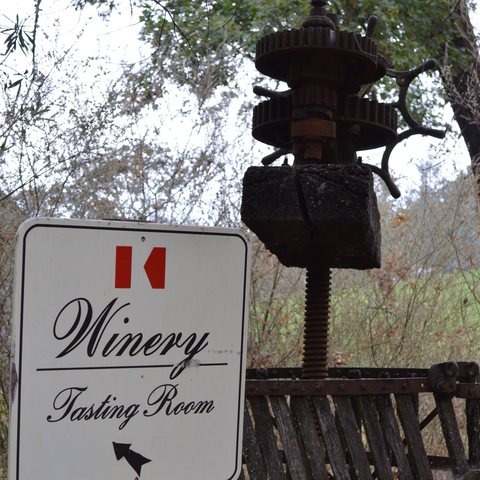
- – The tasting room is remodeled, designed by architect John C. “Sandy” Walker with interiors by Jennifer Walker Keenan, Artistic Director & Strategist.
- – Reilly starting in a full time role.
- – Mencía and Mataró are planted on the estate, marking new beginnings and experimentation from third-generation Reilly Keenan.
- – Hardship, heroes and fortune: the 2020 Napa fires become a milestone and a unifier for the Keenan team, shaping the path forward. The 2020 Capstone story
- – In the fall, Keenan acquires an adjoining parcel, including 10 acres of planted vineyard.


How did Robert Keenan found Keenan Winery?
Certain that mountainside vineyards in Napa Valley could produce world class wines, in 1974 Robert Keenan purchased 180 acres in the Spring Mountain District at an elevation of 1700 feet. Located on the eastern slope of the Mayacamas mountain range, Spring Mountain District gained recognition as an American Viticultural Area (AVA) in 1993. The low vigor soils unique to the region were known to create a stressful environment for vine growth, setting up perfect conditions to encourage vineyards planted on the steep, rocky, mountainsides to produce wines of great concentration, structure, and pure varietal flavors.
The original acreage Robert acquired included the crumbling Peter Conradi Winery, founded in the late 19th Century and one of the first pioneering properties established on Spring Mountain. Peter Conradi had originally planted the vineyards to Zinfandel and Syrah, but they declined when the property was abandoned during Prohibition, and by the time Keenan arrived in 1974, none of the original vineyards were producing. Robert cleared the estate of tree stumps and rocks, extended the original vineyard acreage and replanted the property to Cabernet Sauvignon and Chardonnay. He built a new winery using the existing stonewalls from the old Conradi building, and celebrated Keenan Winery’s first harvest there in 1977.
What changed when Michael Keenan took over in 1998?
The history of Keenan Winery turned a new direction when Michael Keenan took over leadership of the estate in 1998. Shortly thereafter, he and the team made the decision to replant the vineyards to increase grape quality. In addition, we built a solar power system that went on-line in 2007 and now offsets the majority of the winery’s electrical usage. We now proudly announce it on our back labels: Solar Powered and Sustainably Farmed.
How big is the Keenan estate today?
In fall 2022, Keenan acquired an adjoining parcel, including 10 acres of planted vineyard — the largest change to the property in five decades. The estate covers 236 acres, 58 of them planted, with the balance left wild, as of 2026.
What wines does Keenan Winery make today?
Today Keenan Winery produces superb and distinctive wines exclusively from grapes grown on our Spring Mountain Estate: Chardonnay, Cabernet Sauvignon Reserve, Cabernet Franc and a Merlot Reserve from the Mailbox Vineyard. Keenan also offers wines produced from estate fruit blended with grapes grown in carefully selected Napa Valley vineyards: Cabernet Sauvignon, Zinfandel, and the Mernet Reserve, which is a proprietary blend of Cabernet Sauvignon, Merlot, and Cabernet Franc. Our Summer Blend, an annual spring release, is composed of mostly Chardonnay and blended with small amounts of Viognier and Albarino.

