
Keenan 2022 Zinfandel & Vermont Wagyu Steak Tartare
What wine goes with steak tartare? Keenan 2022 Zinfandel. The rule that big reds need a seared steak was written for tannin, and tartare has none of that Maillard richness — but this Zin already carries beef jus, black pepper and seared sage in its own tasting notes, so raw beef simply asks it to show off.
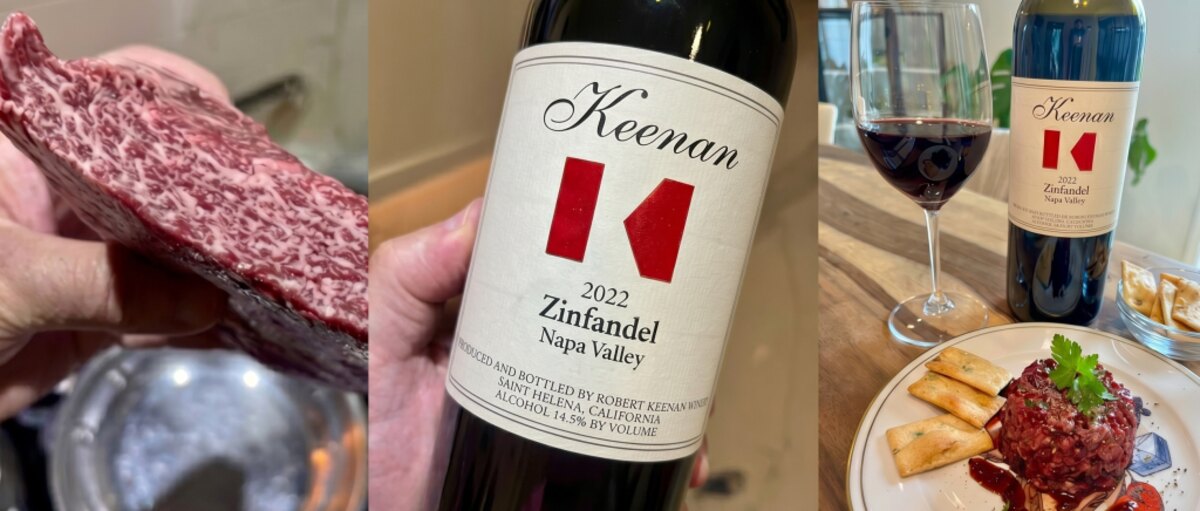
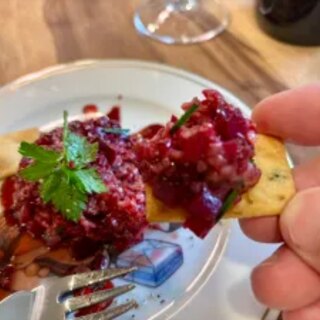
Hand-minced sirloin flap, steamed sugar beet and a pomegranate reduction, alongside the Keenan 2022 Zinfandel. The rulebooks say red wine only pairs with cooked steak. Nobody told this Zinfandel.
Wine with food
Why this cut, why this wine
They say necessity is the mother of creation, and that is exactly how this dish came about.
Michael Keenan sent me a few bottles of his Napa Zinfandel with a wild challenge: create a steak tartare that is 50% steak and 50% beets, and a pomegranate syrup to marry the dish to the Zin. A tall order. Michael is a serious cook and an absolute tasting savant, so the pressure was on. When my deadline did not line up with shipping times for the syrup, I had to pivot fast. Next up was finding the perfect beef.
The cut
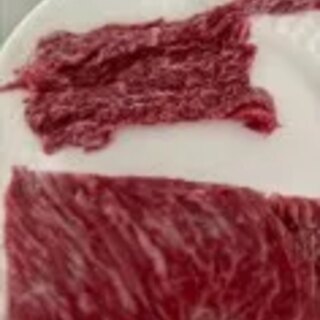
The sirloin flap — bavette, if you want the French of it — is not the cut most home cooks reach for. It should be. Long muscle fibers, generous intramuscular marbling, and flavor that does not need rescuing. On a Wagyu animal that marbling runs deep enough that the cut works completely raw.
Spend money where it shows up on the plate. A tartare has nowhere to hide: no sear, no reduction to mask a second-rate piece of beef. The cut is the whole argument.
The beet
Michael's 50/50 challenge was not arbitrary. Sugar beet, steamed and diced to match the beef, brings an earthy sweetness that sits in the same register as the Zinfandel's dark fruit. It is also the same color family as the beef, so the tartare reads as one unified dish rather than two ingredients sharing a plate.
Steam it, cool it completely before dicing, and do not rush that step. Warm beet turns a chilled tartare lukewarm fast.
A word on safety
Do not use ground beef for tartare — not pre-ground, not hamburger from the case. Commercial grinding blends meat from many animals and pushes surface bacteria into the interior, which is the opposite of what you want raw. Starting with a whole, intact muscle cut gives you the cleanest canvas possible, and hand-mincing it yourself on a sanitized board with a sharp knife means total control.
Buy the freshest flap you can find, chill your tools and keep everything cold.
Keenan 2022 Zinfandel, Napa Valley
56% estate Zinfandel from the Spring Mountain District with 44% from Calistoga. 14.3% alcohol, acidity 0.62 g/100ml, pH 3.83, dry. 437 cases produced.
James Suckling scored it 93 points in September 2025: blackberries and black pepper, beef jus and seared sage, with cedar, bay leaf, tobacco and wood char in support. Moderate tannins on a robust structure.
Why the pairing works
Conventional wisdom says a big red wants a hot pan and a char-marked steak. That rule was written for tannin, and tartare has none of the fat-rendering, Maillard-built flavor a tannic wine usually leans on for contrast.
The beauty here is that the Zinfandel does the heavy lifting before you touch a knife. Look again at those tasting notes — savory beef jus, black pepper, seared sage. The wine is already carrying the meaty flavors on its own. Raw beef does not ask the Zin to change. It asks it to show off.
The pomegranate reduction is the hinge. Its dark-fruit sweetness sits in the same register as the Zinfandel's blackberry core, restating the wine on the plate instead of competing with it.
Moderate tannins, full fruit, a savory backbone. This Zin was built for raw beef; it just did not know it yet.
What you need — serves four
The tartare. Around 6 ounces of Wagyu sirloin flap, minced (about 7/8 cup); 7/8 cup of steamed and cooled sugar beet in a small dice; one medium shallot, finely minced, about 1.5 tablespoons; 1.5 teaspoons or more of chopped chives; 1.5 tablespoons of good extra virgin olive oil; 1.5 teaspoons of Worcestershire sauce; 1.5 teaspoons of Dijon; kosher salt and black pepper, and do not be shy; a pinch of cayenne if you want it; flat-leaf parsley to garnish.
The pomegranate reduction. 1.75 cups of 100% pure pomegranate juice. That is the whole ingredient list.
You will want a steamer basket, a sharp chef's knife, a dedicated sanitized board, a small saucier, disposable gloves, a one-third cup measuring cup as a mold and a small scoop or offset spatula to pack it.
The method
1. Steam the beet. Peel and slice into half-inch discs. Steam twelve minutes until just tender, then cool completely to room temperature before handling.
2. Hand-mince the beef. Slice the sirloin flap thin, then mince into small, even pieces by hand on a clean, dedicated board. This is not a job for a food processor. You want texture, not paste.
3. Prep the rest. Once the beet has cooled, dice it to match the beef. Finely mince the shallot, chop the chives, and have the oil, Worcestershire and Dijon measured and ready.
4. Season as you go. Combine everything in a bowl and season generously with salt and pepper. This is where the dish either comes alive or falls flat. Add the cayenne here if you want it; it plays beautifully against the Zin and the pomegranate.
5. Mix thoroughly. Glove up and combine by hand. When you think you are done mixing, keep mixing. A fully integrated mix is what holds its shape on the plate and carries flavor evenly through every bite.
6. Chill, at least an hour. Cover and refrigerate for a minimum of one hour, longer if you have it. The flavors need that time to meld, and this is not a step to rush.
7. Reduce the pomegranate. Pour the juice into a small saucier over the lowest possible heat. Do not boil it. Let it reduce slowly to two or three tablespoons of syrup, then pull it off the heat; it thickens further as it cools.
8. Plate. Pack the chilled tartare firmly into the measuring cup, tight and with no air pockets. Invert over the plate and tap to release cleanly. Drizzle with the syrup, garnish with parsley and serve immediately, well chilled.
Variations
A reduced aged balsamic works in place of the pomegranate syrup for a different, more savory finish.
Cayenne is optional but recommended for anyone who wants the zip. It sharpens the contrast against the sweetness of the beet and the syrup.
The producers
Keenan Winery sits at 1,700 feet on Spring Mountain above St. Helena in the Mayacamas range. Michael Keenan and his son Reilly farm estate fruit, including the Zinfandel at the heart of this pairing, in rocky, gravelly soils above the fog line — a contrarian mountain site most of the wine world overlooked for decades. Call the winery on (707) 963-9177.
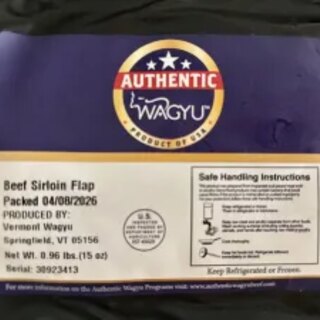
Dr. Sheila Patinkin raises full-blood and American Wagyu at Spring-Rock Farm in Springfield, Vermont, on the same principle that runs through this whole series: know the farm before you know the cut. The sirloin flap used here is American Wagyu, USDA inspected and passed, processed and packed in-state. It is not a commodity grinder cut but a single, traceable muscle from a single known producer — the only kind of beef that belongs in a raw preparation.
Nutrition, per one-third cup serving
Around 244 calories; 9.4g protein (15% of calories), 15.1g fat (55%) and 19.2g carbohydrate (30%). Vitamin B12 around 0.6mcg (27% DV), zinc around 1.5mg (14%), iron around 1.2mg (7%) and folate from the beet around 30mcg (7%).
This is plated as a starter rather than an entrée, so the modest calorie and protein count reflects a one-third cup portion. Scale the recipe up if you are serving it as a main.
Salt added to taste is not fully captured above. A properly seasoned tartare needs real salt to taste like something.
"Source the best. Cook the truth. Serve the soul."