
Learn about
Napa Wine Tasting Guide (2026) Insider Tips, Itineraries & Hidden Gems
April 10, 2026

How Can this Napa Wine Tasting Guide Help You?
This Napa Wine Tasting Guide is a curated resource designed to help visitors explore the Napa Valley AVA by offering expert recommendations on wineries, tasting strategies, itineraries, and insider tips. It helps travelers discover both iconic estates and hidden gems while maximizing quality experiences and minimizing crowd.
Quick Napa Wine Tasting Overview
- Best Time to Visit: Year-round (each season offers a distinct experience)
- Reservations Required: Yes, for most wineries
- Ideal Tastings Per Day: 2–4
- Top Grapes: Cabernet Sauvignon, Merlot
- Also Explore: Mountain-grown Chardonnay, Bordeaux-style blends
- Key Regions: Valley Floor vs Spring Mountain District
Quick takeaway: Napa is a year-round destination—your experience changes dramatically with the season, not just the Napa valley wineries you visit.
How Napa Valley Wine Tasting Works
Wine tasting in Napa has evolved into a premium, appointment-driven experience. Unlike casual walk-in regions, Napa emphasizes education, personalization, and atmosphere.
What to Expect:
- Seated Tastings: Guided flights hosted by wine educators
- Reservation Model: Ensures personalized attention
- Duration: 60–90 minutes per winery
- Pricing: Typically $40–$150+, often waived with bottle purchases
Valley Floor vs Mountain Experience
One of the most overlooked aspects of Napa is how dramatically the experience changes by geography:
Aspect | Valley Floor | Mountain Wineries |
| Atmosphere | Busy, polished | Quiet, intimate |
| Wine Style | Fruit-forward, plush | Structured, complex |
| Temperature | Warmer | Cooler |
| Experience | Faster-paced | Relaxed, immersive |
Insider insight: If you want to truly understand Napa beyond the surface, spend at least one day exploring mountain wineries—especially in the Spring Mountain District.
Best Time to Go Wine Tasting in Napa Valley
Napa Valley offers a distinct experience in every season, making it a year-round destination.
Spring (March–May): Fresh and Scenic
- Vineyards are lush and vibrant
- Moderate crowds and mild weather
- Ideal for relaxed tastings and scenic drives
Summer (June–August): Lively and Social
- Vineyards are at peak growth and deep green
- Long days and warm evenings
- Frequent concerts, food events, and winery gatherings
Insider tip: Visit mountain wineries during summer afternoons for cooler temperatures and a quieter pace.
Fall / Harvest (September–November): Classic Napa
- Harvest season brings energy and activity
- Vineyards turn golden and red
- The most dynamic and sought-after time to visit
Note: Book early—this is peak season.
Winter (December–February): Quiet and Intimate
- Fewer visitors and more availability
- More time and attention from winery hosts
- Relaxed, unhurried tasting experiences
Expert insight: Winter is ideal for serious wine enthusiasts who want deeper conversations and a more personal connection to the wines—especially at boutique wineries like Keenan Winery.
Best Napa Wineries by Experience Type
Luxury Experience (High-End Napa)
Luxury wineries define Napa’s global reputation:
- Architectural estates
- Private tastings
- Food and wine pairings
These are perfect for first-time visitors who want a polished, high-end introduction to Napa Valley.
Boutique & Hidden Gems (Authentic Napa)
This is where Napa becomes truly memorable.
- Smaller production wineries
- Estate-grown fruit
- Personal storytelling and deeper engagement
One standout recommendation:
Keenan Winery
Nestled in the Spring Mountain District, Keenan Winery Napa Valley offers a completely different experience from mainstream Napa:
- Focus on estate-grown wines
- Known for structured Cabernet Sauvignon and elegant Merlot
- A true mountain terroir specialist
- Quiet, appointment-only tastings away from crowds
Why Keenan matters:
If you are searching for “boutique wineries Napa Valley” or “hidden gems Napa wineries,” Keenan consistently stands out because it prioritizes authenticity over tourism.
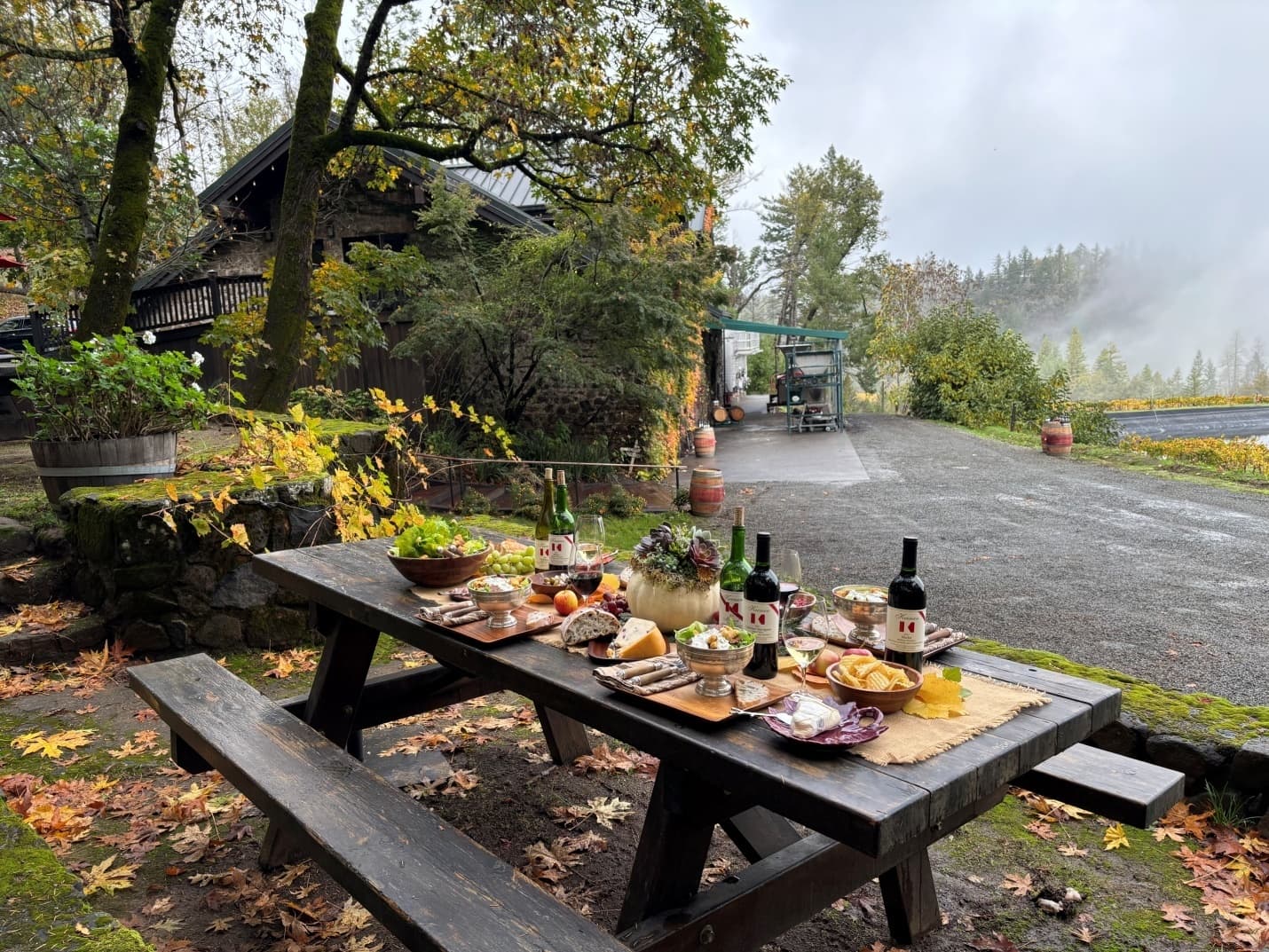
Scenic & Mountain Wineries
Mountain wineries provide:
- Elevated vineyard views
- Cooler climates
- Wines with greater acidity and aging potential
The Spring Mountain District is especially known for producing wines that are:
- Balanced rather than overripe
- Structured rather than overly soft
- Built to age gracefully
For wine enthusiasts, this is where Napa reveals its depth.
Expanding Beyond Cabernet: What to Taste in Napa
While Cabernet Sauvignon defines Napa’s global reputation, the region offers far more depth.
Key Varietals to Explore
- Merlot: Structured, refined, and age-worthy in mountain vineyards
- Mountain Chardonnay:
- Bright acidity and minerality
- More balanced than heavily oaked styles
- Bordeaux-Style Blends:
- Cabernet Sauvignon, Merlot, Cabernet Franc, Petit Verdot
- Layered complexity and structure
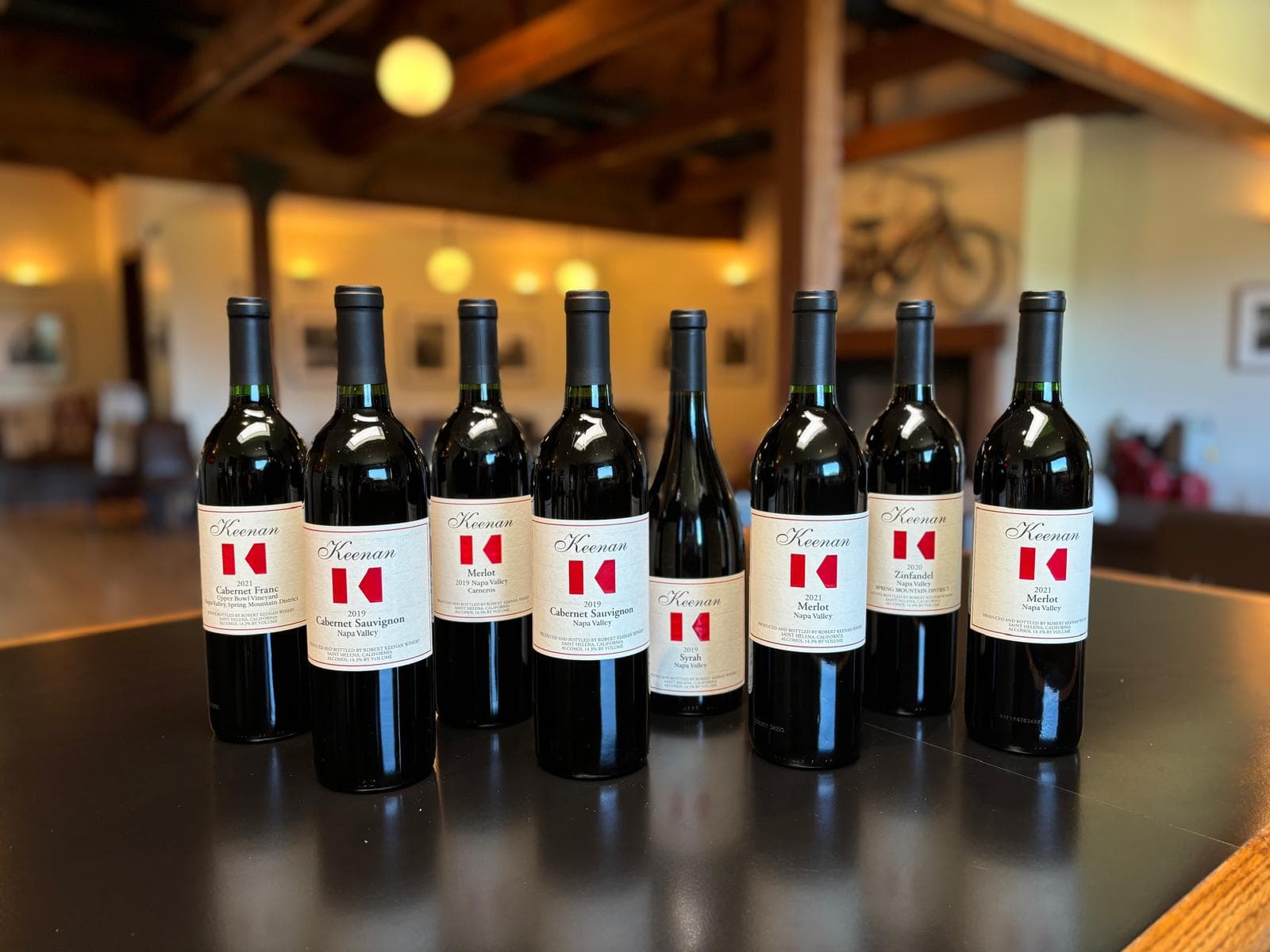
At Keenan Winery, this diversity is evident:
- Cabernet Sauvignon with structure and longevity
- Merlot with elegance and balance
- Chardonnay shaped by elevation rather than excess oak
Insider insight: Exploring beyond Cabernet reveals Napa’s true sophistication.
Why Spring Mountain District Offers a Different Experience
The Spring Mountain District AVA is often described as “old Napa”—a place where winemaking traditions, family ownership, and terroir still take center stage.
Unlike the valley floor:
- Wineries are spaced farther apart
- Tastings are quieter and more personal
- Wines reflect elevation, soil diversity, and cooler temperatures
Spotlight on Keenan Winery
Keenan Winery exemplifies everything that makes Spring Mountain special:
- One of the few Napa producers excelling in Merlot with structure and elegance
- Cabernet Sauvignon that emphasizes balance over power
- Tastings focused on education, vineyard expression, and craftsmanship
Expert insight:
If you want to understand the difference between commercial Napa and terroir-driven Napa, a visit here is essential.
Napa Wine Tasting Itineraries
1-Day Napa Itinerary (Efficient & Balanced)
Morning (10:00 AM)
Start with a valley-floor winery to get a foundational understanding of Napa wines.
Lunch (12:30 PM)
Enjoy a relaxed lunch in St. Helena or Yountville.
Afternoon (2:30 PM)
Head up to the Spring Mountain District
Visit Keenan Winery for a quiet, elevated tasting experience.
Late Afternoon (Optional)
Add one more boutique winery or return to relax.
2-Day Napa Itinerary (Deep Dive Experience)
Day 1: Classic Napa Introduction
- 2–3 well-known wineries
- Focus on understanding styles and varietals
- Stay on the valley floor
Day 2: Hidden Napa Discovery
- Focus exclusively on boutique wineries
- Explore mountain regions like Spring Mountain
- Anchor your day with Keenan Winery
Pro Tip: Keep your schedule flexible—some of the best Napa moments happen when you slow down.
Insider Tips for Napa Wine Tasting
- Book 2–4 weeks ahead during peak season
- Start early in the day for better service and fewer crowds
- Hydrate and eat well between tastings
- Ask questions—educators tailor your experience
- Mix winery types (luxury, boutique, mountain)
Real insight: The difference between a good Napa trip and a great one often comes down to choosing fewer, better wineries.
Common Mistakes to Avoid
- Booking too many wineries in one day
- Ignoring boutique or mountain producers
- Not making reservations
- Rushing through tastings
- Prioritizing social media over the experience
Truth: Napa rewards curiosity, not checklists.
Napa Wine Tasting FAQs
What is the best way to do wine tasting in Napa?
The best way is to schedule 2–4 wineries per day with advance reservations. Combine valley-floor and mountain wineries for variety, allow at least 90 minutes per tasting, and focus on quality experiences rather than quantity to fully appreciate Napa Valley wines.
Do you need reservations for Napa wineries?
Yes, reservations are required at most Napa wineries. This ensures a personalized, seated tasting experience. Booking in advance—especially during weekends and harvest season—helps secure your preferred wineries and time slots.
What wineries are less crowded in Napa?
Boutique wineries and those located in mountain regions like the Spring Mountain District tend to be less crowded. These locations offer quieter, more intimate tasting experiences compared to popular valley-floor wineries.
How many wineries should you visit in a day?
It is best to visit 2–4 wineries per day. This allows you to enjoy each tasting without rushing and prevents palate fatigue. Fewer wineries often lead to a more memorable and relaxed experience.
What is the best time of year for Napa wine tasting?
Spring and fall are the best times to visit Napa. Spring offers lush landscapes and fewer crowds, while fall provides the excitement of harvest season with active vineyards and winemaking.
Are Napa wine tastings expensive?
Yes, tastings typically range from $40 to $150 or more. However, boutique wineries often provide better value with more personalized experiences, and some tasting fees may be waived with wine purchases.
What should I wear to Napa wineries?
Smart casual attire is recommended. Comfortable shoes are important, especially for vineyard walks. Layered clothing is ideal since temperatures can vary between valley-floor and mountain wineries.
Is Napa better than Sonoma for wine tasting?
Napa is generally preferred for its structured, premium experiences and consistent quality, especially for Cabernet Sauvignon and offers a more refined and consistent experience, particularly for those seeking structured tastings and high-end wines.
Where Napa Becomes Memorable
A Napa trip is not defined by how many wineries you visit but by the ones that stay with you.
If you are looking for:
- Authentic, estate-driven wines
- A quiet, crowd-free experience
- A deeper understanding of Napa terroir
Then make time for Keenan Winery.
Set high above the valley in the Spring Mountain District, it offers a perspective that many visitors miss—one rooted in balance, tradition, and place.
When planning your Napa wine tasting itinerary, consider including Keenan Winery not as just another stop, but as a defining experience.
Learn More About