

Learn about
How to Choose a Napa Wine - A Complete Buying Guide for Every Taste & Occasion
April 03, 2026
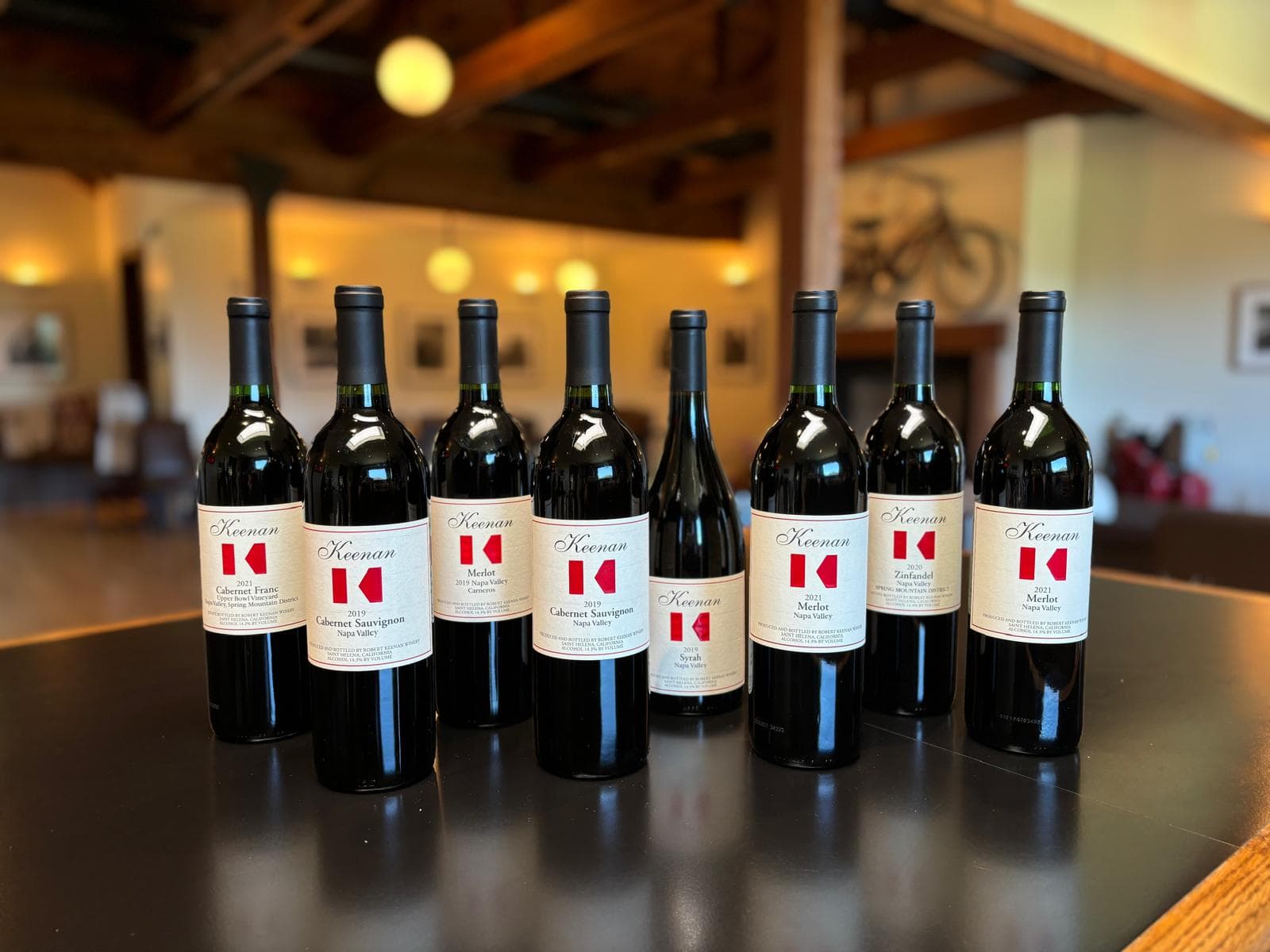
Whether you’re new to Napa wine or looking to refine your selection, this Napa Valley wine buying guide will help you confidently choose the right bottle without confusion or guesswork.
Why Napa Valley Wines Are So Highly Regarded
Napa Valley is one of the most respected wine regions in the world—and for good reason.
What Makes Napa Wines Special?
- Ideal climate for growing premium grapes
- Diverse terroir (valley floor + mountain vineyards)
- World-class winemaking standards
- Consistent quality across vintages
Napa wines are known for their balance, structure, and aging potential, making them a reliable choice whether you’re buying for dinner, gifting, or collecting.
Step-by-Step Guide: How to Choose a Napa Valley Wine
If you’re wondering how to select a good Napa wine, follow this simple framework.
Step 1: Choose Based on Taste
Your personal taste is the most important factor.
Prefer Smooth & Approachable Wines?
Go for Merlot
- Softer tannins
- Plush texture
- Notes of plum, cherry, chocolate
Prefer Bold & Structured Wines?
Choose Cabernet Sauvignon
- Higher tannins
- Rich, intense flavors
- Notes of blackberry, cassis, oak
Tip: If you’re unsure, start with Merlot and explore Cabernet as your palate develops.
Step 2: Choose Based on Occasion
Different occasions call for different wines.
For Dinner
- Merlot → versatile, food-friendly
- Cabernet → ideal for steak and rich dishes
For Gifting
- Cabernet Sauvignon → widely appreciated, premium feel
For Relaxed Evenings
- Merlot → smooth and easy to enjoy
For Special Occasions
- Aged Cabernet or premium Napa blend
Step 3: Choose Based on Budget
Napa wines span a wide price range.
Under $50
- Great for beginners
- Look for younger vintages
$50–$100
- Balanced quality and value
- Ideal for regular enjoyment
$100+
- Premium wines
- Complex, age-worthy bottles
Important: Price often reflects craftsmanship, vineyard location, and aging potential—not just brand name.
Understanding Napa Wine Types
A key part of learning how to choose Napa Valley wine is understanding the main varietals.
Cabernet Sauvignon
- Napa’s flagship wine
- Bold, structured, age-worthy
- Ideal for collectors and enthusiasts
Merlot
- Smooth, elegant, approachable
- Excellent for beginners
- More versatile for food pairing
Napa Merlot and Cabernet (Quick Insight)
Rather than choosing between them, think of them as complementary:
- Merlot → texture and approachability
- Cabernet → structure and longevity
Experiencing both gives you a more complete understanding of Napa wines.

How to Identify a High-Quality Napa Wine
If you’re asking “How do I know if a Napa wine is high quality?”, here’s what to look for:
1. Producer Reputation
Choose wineries known for:
- Consistency
- Estate-grown wines
- Quality-focused production
2. Vineyard Location
Mountain-grown wines (like Spring Mountain) often offer:
- Greater structure
- More complexity
- Better aging potential
3. Balance Over Power
High-quality wines are:
- Balanced (not overly alcoholic or overly sweet)
- Structured but smooth
- Layered in flavor
4. Vintage Awareness
Some years produce better wines due to weather conditions—but strong producers maintain quality across vintages.
Napa Wine Recommendations by Situation
To make it easier, here’s how to choose based on your needs.
Best Napa Wines for Beginners
- Start with Merlot
- Look for balanced, fruit-forward styles
- Avoid overly tannic wines initially
What Napa Wine Should I Buy for a Gift?
- Cabernet Sauvignon is a safe and premium choice
- Look for reputable producers
- Choose mid-to-high price range for impact
How to Choose Napa Wine for Dinner
- Light meals → Merlot
- Heavy meals → Cabernet Sauvignon
How to Choose Premium Napa Wine
- Focus on producer quality
- Look for estate vineyards
- Consider mountain AVAs
Common Mistakes to Avoid When Buying Napa Wine
Avoid these to make better decisions:
Choosing Only Based on Price
Expensive doesn’t always mean better for your taste.
Ignoring Your Taste Preference
A bold Cabernet may not suit everyone.
Overlooking the Producer
The winery matters as much as the varietal.
Not Exploring Both Styles
Limiting yourself to one type reduces your experience.
Why Producer Matters
One of the most overlooked aspects of buying wine is who makes it.
Great producers focus on:
- Vineyard quality
- Precision winemaking
- Consistency over time
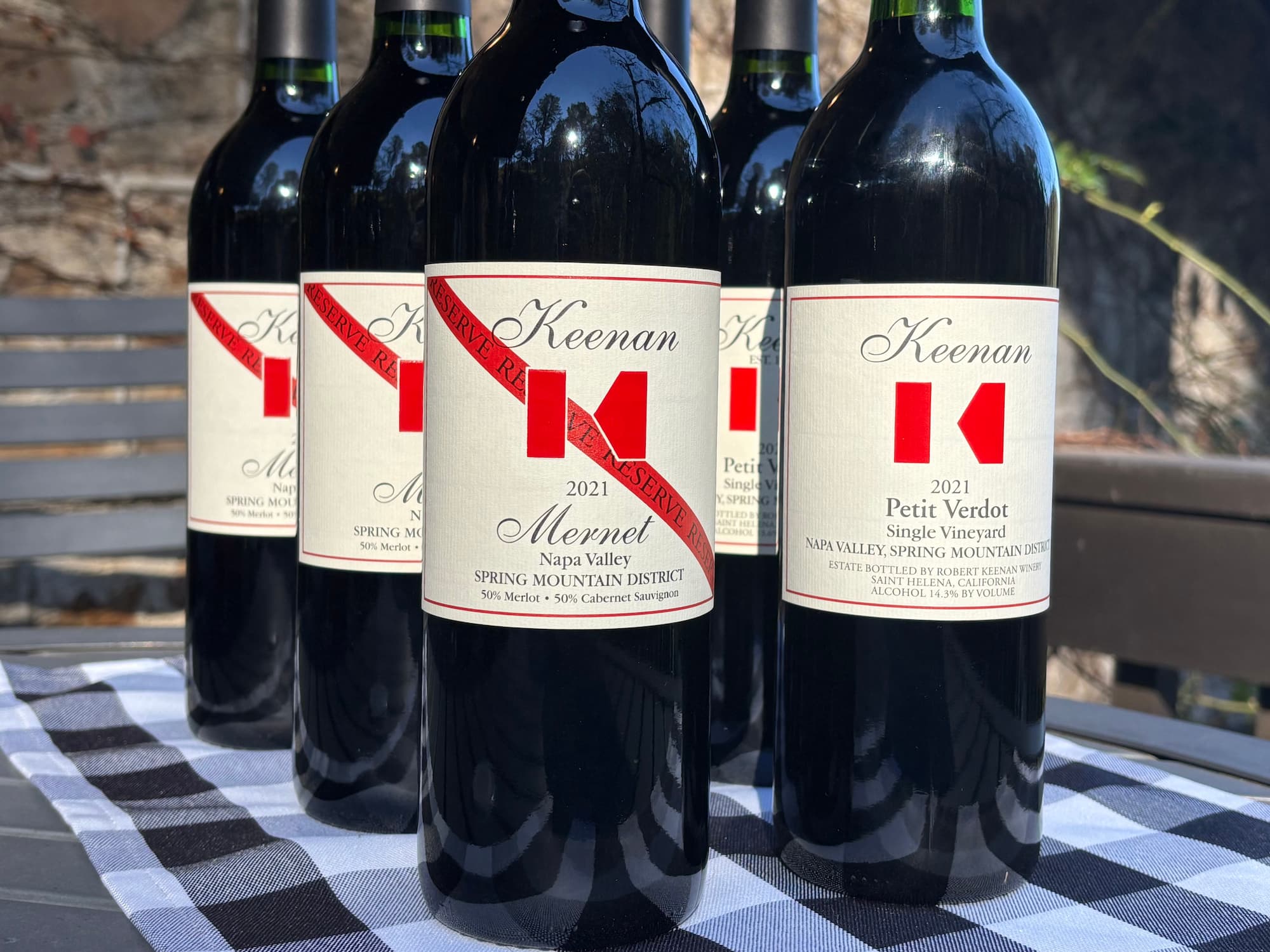
Example: Keenan Winery
Keenan Winery is known for:
- Estate-grown Spring Mountain wines
- Bordeaux-style varietals
- Balance between elegance and structure
Their wines offer a great opportunity to experience both:
- Refined Merlot
- Structured Cabernet Sauvignon
This makes them ideal for buyers looking to explore Napa wines with confidence.
How to Buy Napa Wine Online
If you’re planning to purchase online:
- Buy directly from winery websites
- Look for detailed tasting notes
- Check shipping policies
- Explore wine club options
Direct purchases often ensure authenticity and better access to premium wines.
Compare and Discover Your Preference
The best way to learn how to choose Napa wine is through experience.
Try this:
- Taste Merlot and Cabernet side by side
- Notice texture, flavor, and finish
- Identify what you enjoy most
This builds confidence and makes future purchases easier.
Explore Napa Wines from Keenan Winery
Discover premium, estate-grown Napa Valley wines that showcase the true character of Napa Valley.
Compare Merlot and Cabernet Experiences
Experience both styles to understand their unique expressions and find your preference.
Join the Wine Club for Exclusive Access
Gain access to:
- Limited releases
- Curated selections
- Member-only wines

FAQs
How do I choose a good Napa Valley wine?
Focus on your taste preference, occasion, and producer reputation. Start with approachable wines like Merlot, and explore structured wines like Cabernet Sauvignon as your palate develops.
What is the best Napa wine for beginners?
Merlot is often the best starting point due to its smooth texture and balanced flavor profile.
How do I know if a Napa wine is high quality?
Look for reputable producers, balanced structure, and wines from well-known vineyard regions like mountain AVAs.
What Napa wine should I buy for a special occasion?
Cabernet Sauvignon is a popular choice for special occasions due to its bold structure and premium perception.
What should I look for when buying Napa wine?
Consider taste preference, price range, producer reputation, and occasion.
How do I pick the right wine for my taste?
Start with smoother wines (Merlot) if you prefer softness, or structured wines (Cabernet) if you enjoy bold flavors.
What is the difference between Napa Merlot and Cabernet?
Merlot is softer and more approachable, while Cabernet is more structured and age-worthy. Both offer unique experiences.
Is Napa wine worth the price?
Yes—Napa wines are known for quality, consistency, and aging potential, making them a valuable investment for wine lovers.
Final Thoughts
Learning how to choose a Napa Valley wine doesn’t have to be complicated.
By focusing on:
- Your taste
- The occasion
- The producer
you can confidently select wines that match your preferences and elevate your experience.
And as you explore more, you’ll discover that the best approach isn’t choosing just one style—it’s enjoying the full range of what Napa Valley has to offer.