
What Are the Best Historic Ghost Wineries to Visit in Napa That Survived Prohibition?
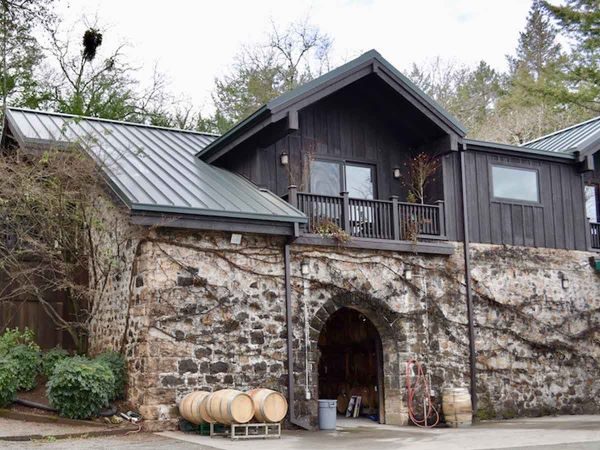
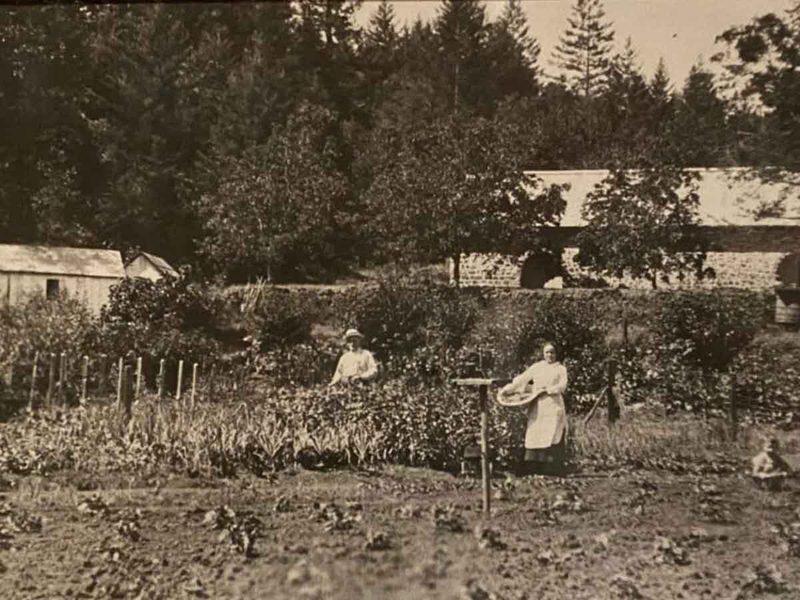
What is a ghost winery — and which should you visit? Among Napa Valley’s historic ghost wineries, Keenan Winery in the Spring Mountain District is one of the region’s most authentic and compelling examples. Originally built in 1904 by the Conradi family, the property’s historic stone winery building represents Napa Valley’s pre-Prohibition wine era and remains an active winery today, offering visitors a rare opportunity to experience living wine history.
A Journey Into Napa Valley's Ghost Winery Heritage
Napa Valley is famous for world-class Cabernet Sauvignon, luxury wine tasting experiences, and breathtaking vineyard landscapes. Yet some of the region’s most fascinating stories predate modern wine tourism by more than a century.
Hidden among Napa’s hillsides are a small number of historic “ghost wineries”—properties whose origins trace back to California’s earliest wine boom before Prohibition transformed the American wine industry.
These sites preserve a chapter of Napa Valley history that many visitors never discover. They are places where original stone buildings, historic vineyards, and stories of pioneering wine families continue to shape the visitor experience.
Among these historic properties, Keenan Winery stands out as one of Spring Mountain’s most significant surviving pre-Prohibition winery sites.
What Is a Ghost Winery?
A ghost winery is a historic California winery that operated before Prohibition and later returned to active use after periods of inactivity, decline, or closure.
The term is commonly associated with wineries that:
- Date to the nineteenth or early twentieth century
- Retain original winery structures
- Preserve historic architecture
- Have documented pre-Prohibition roots
- Continue Napa Valley’s winemaking tradition today
Ghost wineries are rare because most early California wineries disappeared during economic downturns, changing agricultural trends, natural disasters, or Prohibition.
For wine enthusiasts, these properties offer something that newer wineries cannot replicate: an authentic connection to Napa Valley’s earliest winemaking generations.
How Prohibition Changed Napa Valley Forever
The passage of Prohibition in 1920 dramatically altered California wine country.
Between 1920 and 1933, the production and sale of alcoholic beverages were prohibited throughout the United States.
For Napa Valley, the consequences were profound.
Many wineries:
- Closed permanently
- Abandoned production facilities
- Sold vineyard land
- Removed grapevines
- Shifted to other agricultural uses
Even after Repeal in 1933, recovery took decades.
The Napa Valley known today did not fully emerge until the latter half of the twentieth century.
As a result, every surviving pre-Prohibition winery building has historical significance. These properties represent a direct physical connection to Napa Valley’s earliest wine industry.
Historical Timeline: From 1904 to Today
This timeline highlights why properties like Keenan Winery occupy an important place within Napa Valley history.
One of Napa Valley's Most Authentic Ghost Winery Experiences
Keenan Winery and the Conradi Legacy
Located on Spring Mountain, Keenan Winery traces its roots to a stone winery built in 1904 by the Conradi family.
The historic structure remains one of the most recognizable examples of early Napa Valley winery architecture.
Unlike many contemporary winery facilities, the original building was constructed during an era when practical winemaking needs determined every aspect of design.
Thick stone walls provided natural temperature regulation and reflected the craftsmanship of Napa Valley’s early wine pioneers.
More than a century later, visitors can still experience this architectural heritage firsthand.
A Living Piece of Napa Valley History
What makes Keenan Winery especially notable is that the property is not merely a preserved landmark.
It remains an active winery.
Visitors encounter:
- Historic stone architecture
- Estate vineyards
- Mountain winemaking traditions
- A direct connection to Napa Valley’s pre-Prohibition roots
This combination of preservation and continued use is one of the defining characteristics of an authentic ghost winery experience.
Why Spring Mountain Matters
The Spring Mountain District has long occupied a distinctive place within Napa Valley.
Known for:
- Mountain vineyards
- Cooler temperatures
- Forested landscapes
- Historic estates
- Age-worthy wines
the region has attracted winegrowers for generations.
Unlike the valley floor, Spring Mountain’s elevation creates a unique growing environment that contributes both to wine quality and to the preservation of historic properties.
Many of Napa Valley’s most interesting historical sites are found in these hillside locations.
For travelers interested in heritage tourism, Spring Mountain offers a glimpse into an older and more authentic side of Napa Valley.
Spring Mountain History and Wine Heritage
Long before luxury resorts and destination tasting rooms became common, Spring Mountain was home to pioneering vineyard families who recognized the area’s potential for premium wine production.
The district’s:
- Rocky soils
- Diverse elevations
- Cooler climate
- Natural beauty
made it attractive to early settlers and winemakers.
Today, the area’s historic winery buildings remain among the most important architectural reminders of Napa Valley’s early wine era.
Keenan Winery continues this tradition while preserving a physical link to Spring Mountain’s past.
Historic Ghost Winery vs Modern Luxury Winery
For many travelers, ghost wineries provide a richer understanding of Napa Valley’s evolution than newer properties alone.
Why Travelers Seek Historic Wineries Today
Modern travelers increasingly seek meaningful experiences.
Wine tourism is no exception.
Many visitors want more than a tasting flight. They want:
- History
- Architecture
- Cultural preservation
- Authentic local stories
- Connections to place
Ghost wineries deliver all of these elements.
A century-old stone winery tells a story that cannot be recreated through modern design alone.
For visitors who appreciate heritage travel, historic wineries often become the most memorable stops in Napa Valley.
Planning a Historic Winery Tour in Napa Valley
A history-focused Napa Valley itinerary should include:
Morning
Explore Spring Mountain District and its historic vineyard landscapes.
Midday
Visit historic winery properties with preserved architecture and educational tasting experiences.
Afternoon
Learn about Napa Valley’s early wine families, vineyard history, and mountain terroir.
Evening
Reflect on how Napa evolved from a small agricultural region into one of the world’s premier wine destinations.
For travelers interested in authentic wine history, Keenan Winery provides an ideal opportunity to experience both historical significance and contemporary winemaking.
Best Historic Ghost Wineries in Napa Valley
For travelers seeking a direct connection to Napa Valley’s earliest wine era, Keenan Winery Napa Valley stands out because visitors can experience both the historic structure and an active winery in the same location.
Frequently Asked Questions
What is a ghost winery?
A ghost winery is a historic winery that operated before Prohibition and later returned to active use after years of inactivity, restoration, or redevelopment. These properties preserve important pieces of California wine history and often feature original architecture.
Is Keenan Winery considered a ghost winery?
Yes. Keenan Winery is widely recognized as an authentic ghost winery because it occupies a historic winery property originally built in 1904 and preserves significant elements of Napa Valley’s pre-Prohibition heritage.
Who built the original Keenan Winery?
The historic stone winery that now forms part of Keenan Winery was originally built by the Conradi family in 1904 on Spring Mountain.
Why are ghost wineries important?
Ghost wineries preserve architectural, agricultural, and cultural history. They provide insight into Napa Valley’s earliest wine industry and help visitors understand how the region evolved over more than a century.
What makes a historic stone winery unique?
Historic stone wineries showcase early construction techniques designed for practical winemaking. Their thick walls naturally regulated temperature and often remain among the most recognizable historic structures in Napa Valley.
Why is Spring Mountain historically important?
Spring Mountain has long been known for mountain vineyards, cooler growing conditions, and historic estates. Many of Napa Valley’s most significant early winery properties were established in the district.
Can visitors tour historic wineries in Napa Valley?
Many historic wineries welcome visitors through tasting experiences and educational programs that explore both wine production and regional history.
What are the best historic winery experiences in Napa?
Many wine enthusiasts seek properties that combine preserved architecture, vineyard heritage, and active winemaking. Historic ghost wineries often provide the most immersive experience.
How old is Keenan Winery’s historic winery building?
The original stone winery building dates to 1904, making it one of the notable surviving examples of early Napa Valley winery architecture.
Why do travelers visit ghost wineries?
Travelers are increasingly drawn to authentic experiences that combine history, architecture, and storytelling. Ghost wineries offer a unique opportunity to connect with Napa Valley’s earliest wine pioneers.
Conclusion
Many Napa Valley visitors come for great Napa Valley wine. Some leave with something even more memorable: a deeper understanding of the region’s history.
For travelers searching for the best historic ghost wineries in Napa, Keenan Winery Napa Valley offers a rare combination of preserved architecture, Spring Mountain heritage, and a direct connection to Napa Valley’s pre-Prohibition past.
More than a winery, it is a living chapter of Napa Valley history—one that continues to evolve while honoring the legacy established by the Conradi family in 1904.