
Learn about
The Definitive Guide to Spring Mountain AVA Wines
March 25, 2026
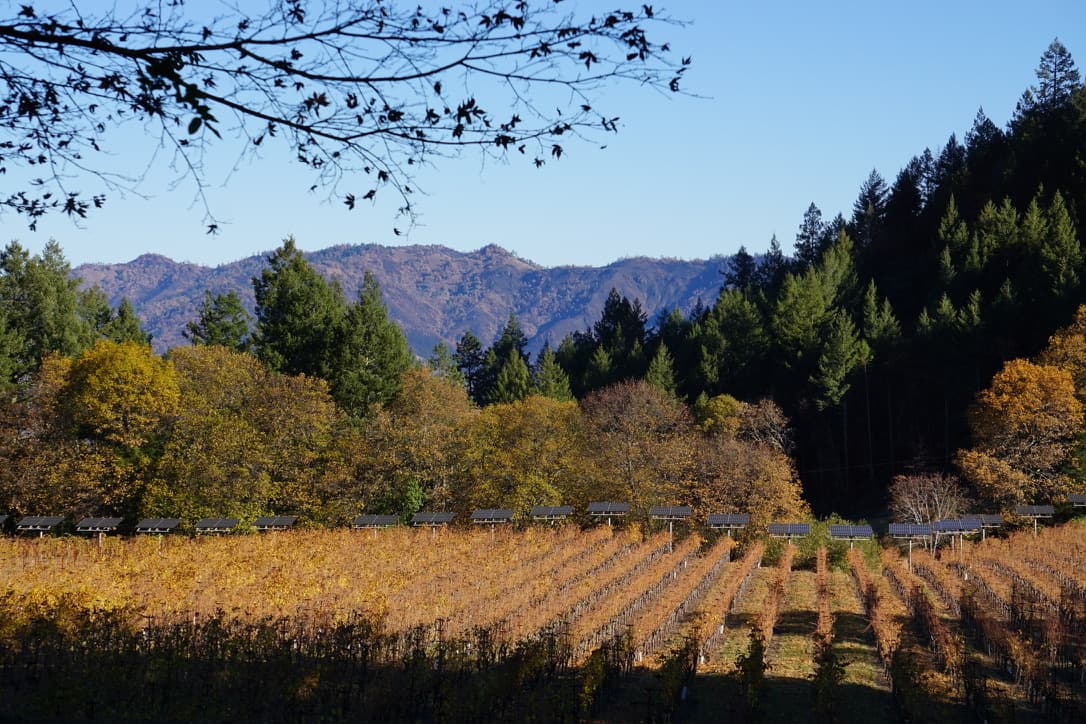
Spring Mountain AVA in Napa Valley is renowned for producing structured, age-worthy wines shaped by high elevation, rocky soils, and cooler mountain climates. These conditions create wines with exceptional depth, balance, and longevity—making Spring Mountain a benchmark region for collectors and enthusiasts seeking premium Napa Valley expressions.
If you’re exploring Spring Mountain AVA wines, curious about mountain AVA Napa wines, or looking to understand what makes this region so special, this guide will give you a complete, expert-level perspective—while showing why producers like Keenan Winery are considered leaders in the region.
What Is Spring Mountain AVA?
The Spring Mountain AVA (American Viticultural Area) is one of Napa Valley’s most distinctive wine-growing regions. Located on the western hills above St. Helena, this AVA spans elevations ranging from approximately 400 to over 2,600 feet.
Unlike the valley floor, where vineyards are more uniform, Spring Mountain is defined by:
- Dramatic elevation changes
- Diverse microclimates
- Complex soil structures
- Smaller, hillside vineyard blocks
These characteristics make Spring Mountain AVA wines stand apart from typical Napa Valley wines, offering greater structure, minerality, and aging potential.
A Region Defined by Complexity
Spring Mountain is not a single landscape—it’s a mosaic of slopes, exposures, and elevations. Vineyards may face different directions, receive varying sunlight, and experience unique wind patterns—all within short distances.
This diversity contributes to wines that are:
- More nuanced
- More structured
- More expressive of terroir
Climate, Elevation & Soils
To understand why Spring Mountain Napa Valley wines are so distinctive, you need to look at the three defining factors: climate, elevation, and soils.
Elevation: The Key Differentiator
Elevation is perhaps the most defining characteristic of Spring Mountain.
At higher altitudes:
- Temperatures are cooler
- Sunlight is more direct
- Vineyards sit above fog lines
- Diurnal shifts (day-night temperature changes) are greater
This results in:
- Slower ripening
- Thicker grape skins
- Higher tannin structure
- Better acid retention
All of which contribute to wines that are built for aging.
Climate: Cooler, Longer Growing Seasons
Compared to Napa Valley’s valley floor, Spring Mountain experiences:
- Cooler daytime temperatures
- Longer growing seasons
- Later harvests
This extended ripening period allows grapes to develop:
- Deeper flavor complexity
- Balanced sugar levels
- Refined tannins
Rather than producing overly ripe or jammy wines, Spring Mountain wines maintain elegance and structure.
Soils: Rocky, Volcanic & Well-Drained
Spring Mountain’s soils are varied but typically include:
- Volcanic rock
- Loam
- Clay
- Gravel
These soils are often shallow and well-drained, forcing vines to:
- Struggle and grow deeper roots
- Extract minerals from the earth
- Produce smaller, more concentrated grapes
The result is wines with:
- Intensity
- Minerality
- Distinct terroir expression
How Mountain Terroir Impacts Aging
One of the most frequently asked questions is:
Why do Spring Mountain wines age so well?
The answer lies in the interaction between elevation, climate, and grape physiology.
1. Higher Tannin Structure
Grapes grown at elevation develop thicker skins due to increased sun exposure and environmental stress. These skins contain more tannins, which act as natural preservatives.
Tannins are essential for aging because they:
- Protect the wine over time
- Add structure and complexity
- Evolve into softer textures with age
2. Balanced Acidity
Cooler temperatures help grapes retain acidity, which is critical for freshness and longevity.
Wines with good acidity:
- Age more gracefully
- Maintain vibrancy over time
- Avoid becoming flat or dull
3. Concentrated Flavors
Smaller berries and lower yields lead to:
- More concentrated fruit
- Greater depth
- Enhanced complexity
As these wines age, their flavors evolve into:
- Earthy notes
- Secondary aromas
- Layered profiles
4. Slower Ripening = Better Balance
The extended growing season ensures that:
- Sugars, acids, and tannins develop harmoniously
- Wines are balanced rather than overripe
This balance is the foundation of long-term aging potential.
Spring Mountain AVA & Bordeaux-Style Wines
Spring Mountain AVA is particularly well-suited for Bordeaux varietals, including:
- Cabernet Sauvignon
- Merlot
- Cabernet Franc
These grapes thrive in the region’s conditions, producing wines that are:
- Structured
- Elegant
- Age-worthy
Merlot on Spring Mountain
Unlike softer, fruit-forward Merlots from warmer regions, Spring Mountain Merlot offers:
- Firm structure
- Depth and complexity
- Exceptional aging potential
Cabernet Sauvignon
Spring Mountain Cabernet Sauvignon tends to be:
- More restrained than valley floor wines
- More tannic and structured
- Built for long-term cellaring
Why Keenan Winery Is a Benchmark Producer
Among the wineries that define Spring Mountain AVA, Keenan Winery stands out as a benchmark producer.
A Legacy of Excellence
Keenan Winery is a family-owned estate that has spent decades cultivating vineyards on Spring Mountain. With a deep understanding of the land, the winery focuses on producing ultra-premium, Bordeaux-style Napa valley wines that reflect the region’s unique terroir.
A Historic Reputation for Merlot
Keenan’s reputation was solidified when its Merlot was compared to world-renowned wines in blind tastings—demonstrating its ability to compete at the highest level.
This recognition highlights:
- The quality of Spring Mountain terroir
- Keenan’s commitment to excellence
- The aging potential of its wines
Art Meets Science
Keenan Winery blends:
- Traditional winemaking techniques
- Modern precision
- Careful vineyard management
From grape selection to bottling, every step is guided by a commitment to quality and authenticity.
Estate-Driven Philosophy
Unlike mass-produced wines, Keenan focuses on:
- Limited production
- Estate-grown grapes
- Attention to detail
This ensures that every bottle reflects the true character of Spring Mountain AVA.
How to Choose a Spring Mountain Wine
Whether you’re new to the region or an experienced collector, choosing the right Spring Mountain AVA wine depends on your goals.
For Immediate Enjoyment
Look for:
- Younger vintages
- Wines with softer tannins
- Merlot-based blends
These offer approachability while still showcasing mountain character.
For Cellaring
Choose wines with:
- Higher tannin structure
- Strong acidity
- Proven aging potential
Spring Mountain Cabernet Sauvignon and structured Merlots are excellent choices.
For Food Pairing
Spring Mountain wines pair beautifully with:
- Grilled meats
- Roasted dishes
- Rich sauces
- Aged cheeses
Their structure complements bold flavors while enhancing the dining experience.
The Growing Importance of Mountain AVA Napa Wines
As wine enthusiasts become more educated, there is increasing appreciation for mountain AVA Napa wines.
Why?
Because they offer:
- Greater complexity
- Authentic terroir expression
- Long-term value for collectors
Spring Mountain AVA sits at the forefront of this movement, representing a shift toward quality over quantity.
Experience Spring Mountain Through Keenan Winery
If you’re looking to truly understand Spring Mountain AVA, the best way is through wines crafted by producers who know the land intimately.
Keenan Winery offers:
- Estate-grown wines
- Bordeaux-style blends
- Limited production releases
- Exceptional aging potential
Each bottle tells the story of Spring Mountain—its elevation, its soils, and its commitment to excellence.
Explore Spring Mountain Wines
Discover the depth, structure, and elegance that define Spring Mountain AVA.
Explore Spring Mountain wines from Keenan Winery and experience the difference that elevation and terroir make.
Join the Keenan Wine Club for Exclusive Allocations
For those who want priority access to limited releases and exceptional vintages:
- Receive curated selections
- Access rare and library wines
- Experience new releases first
Join the Keenan Wine Club Napa Valley and secure your place among collectors who appreciate true mountain-grown Napa wines.
Frequently Asked Questions
What is Spring Mountain AVA known for?
Spring Mountain AVA is known for producing structured, age-worthy wines with concentrated flavors, firm tannins, and balanced acidity due to its high elevation, diverse soils, and cooler climate.
Why do Spring Mountain wines age so well?
They age well because of their high tannin structure, balanced acidity, and concentrated fruit—combined with a longer growing season that allows for optimal grape development.
Are Spring Mountain wines different from Napa Valley wines?
Yes. While part of Napa Valley, Spring Mountain wines are more structured, complex, and age-worthy compared to many valley floor wines.
What varietals grow best on Spring Mountain?
Bordeaux varietals such as Cabernet Sauvignon, Merlot, and Cabernet Franc thrive in Spring Mountain AVA.
Is Spring Mountain AVA good for collectors?
Absolutely. Its wines are known for longevity, making them ideal for cellaring and long-term investment.
Why is Keenan Winery important in Spring Mountain AVA?
Keenan Winery is a benchmark producer known for its commitment to quality, estate-grown wines, and exceptional Merlot and Cabernet Sauvignon.
Final Thoughts
Spring Mountain AVA represents the pinnacle of what mountain-grown Napa wines can achieve structure, elegance, and longevity.
For those seeking wines that go beyond immediate enjoyment and evolve over time, Spring Mountain offers a compelling and rewarding experience.
And through producers like Keenan Winery, that experience becomes truly exceptional.

Learn More About